AI agents for commercial real estate built with the brokers who use them
Clustr builds AI agents for commercial real estate firms inside the enterprise AI tools they already license. For Cresa, we built agents in ChatGPT Enterprise that draft RFPs in the house format, pull lease economics out of landlord proposals, and brief brokers before prospect meetings. Then we trained the team to run them every day.
How has Clustr built AI agents for commercial real estate?
Clustr Innovations built three AI agents in ChatGPT Enterprise for Cresa, the Chicago-based commercial real estate firm with 1,300+ employees. One drafts RFP responses in Cresa's house format and is now used in production. One pulls lease economics out of landlord proposals in minutes, work that used to take analysts hours per deal. One researches prospects and briefs brokers before meetings.
Each agent was scoped with the people who do the work, built inside the enterprise workspace Cresa already licenses, and taught in live sessions so the team could run and improve it themselves. Deal and client data stayed in governed tools, inside an IT-approved enterprise agent workspace.
We have also built CRE agents on Claude. For a commercial real estate client in the DC area, we built a pre-meeting brief agent in n8n, powered by Anthropic's Claude model, that emails each broker a research brief every morning, including who owns the prospect's building. We demoed it live in our Claude for RevOps webinar with InTandem.
These are practical agents, not autonomous ones. Each takes a defined input, follows a written process, and hands a draft back to a person who checks it. In commercial real estate, where a wrong rent figure can cost a deal, that is the design we recommend.
What do the CRE agents look like inside?
Each agent is a short chain: something starts it, it works from the firm's own material, a person checks the result, and a finished draft comes out. These diagrams show the shape of the three agents we built for Cresa in ChatGPT Enterprise.
- TriggerNew RFP arrives
A broker hands the tenant's RFP to the agent.
- InputHouse format and past answers
The firm's RFP template, standard language, and example responses.
- AI stepDraft every section
Answers each question in the firm's format and voice.
- Human reviewBroker review
The broker edits, adds deal detail, and approves.
- OutputResponse ready to send
A formatted draft in the house template.
- TriggerLandlord proposals in
An analyst uploads the proposals for one requirement.
- AI stepExtract lease economics
Rent, escalations, free rent, allowances, and term pulled from each document.
- AI stepLine them up
Every proposal laid out in the same structure, side by side.
- Human reviewAnalyst checks every figure
Nothing goes to a client unverified.
- OutputComparison for the client
Ready for the broker's recommendation.
- TriggerProspect meeting booked
The broker names the company and the meeting's purpose.
- AI stepResearch the prospect
Public information on the company and its recent news.
- AI stepWrite the briefing
Who they are, likely needs, and questions worth asking.
- Human reviewBroker reads and adjusts
Adds what only the broker knows.
- OutputOne-page meeting brief
Ready before the broker walks in.
- Trigger7 a.m. calendar check
Reads the day's meetings and attendees from Google Calendar.
- InputNew or returning contact?
Checks whether the team has met each attendee before.
- AI stepClaude research agent
Web search, contact data from Apollo, and the prospect's building and lease details.
- AI stepSecond model verifies
Checks the research for hallucinations.
- OutputBrief in the broker's inbox
Background, headquarters and who owns the building.
Which commercial real estate work suits an AI agent?
The best first agents automate work that is document-heavy, repeated every deal, and easy for a person to check. These are the three we built for Cresa, and the reason each one was worth building.
RFP drafting agent
Tenant-rep teams answer RFPs constantly, and every answer has to match the firm's format and voice. The agent drafts responses in Cresa's house format from the team's own material. The team adopted it into production.
Landlord proposal analysis agent
Comparing landlord proposals means pulling rent, escalations, concessions, and term out of differently formatted documents. The agent extracts lease economics in minutes. Done by hand, it took analysts hours per deal.
Prospect research and briefing agent
Brokers walk into meetings better prepared when someone has done the research. The agent assembles prospect research and a pre-meeting briefing. We built it with the brokers who use it.
Governed by design
Every agent runs inside the enterprise AI workspace the firm already licenses, with connectors IT approves. Rent rolls and client terms never touch free personal accounts.
How do you build an AI agent for a CRE team?
The same five steps every time. The agent is half the work. The other half is the training that gets people to use it on live deals.
Baseline the team
Every participant takes a SINA assessment (SINA is our AI literacy platform) before anything is built. We need to know who will run the agent and how comfortable they are with AI output.
Pick one painful, repeatable workflow
Sit with the brokers and analysts, map a workflow they repeat every deal, and write down the inputs, the steps, and what a good output looks like.
Build inside the licensed workspace
Configure the agent in the firm's enterprise AI tool, such as ChatGPT Enterprise, with the house format, examples, and instructions. No new software to buy or govern.
Train on live deals
Teach the team to run the agent on their own deals in live sessions, check its output, and spot the errors AI makes, so trust is earned rather than assumed.
Hand it to champions
A small group of champions owns each agent, improves it, and carries it to the next team or office. Adoption, not the build, is the deliverable.
Configured agents vs custom software vs off-the-shelf CRE AI
Three ways a CRE firm can get an AI agent, and what each is good for.
| Configured in your AI workspace | Custom-built software | Off-the-shelf CRE AI product | |
|---|---|---|---|
| Best for | Firm-specific workflows like RFPs, proposal comparisons, and briefings | Deep integration with internal systems at scale | One narrow, standard task across many firms |
| Time to first use | Weeks | Months | As soon as it is bought and approved |
| New software to govern | None; runs in the tool you already license | Yes, plus hosting and maintenance | Yes, another vendor and data path |
| Who maintains it | Your trained champions | Developers | The vendor |
| How Clustr helps | We build it with your team and train them to run it | We help scope it and train people to use it | We advise honestly on whether you need it |
Agents on the AI platform you already license
Cresa's agents run in ChatGPT Enterprise. The same approach works with Claude, Microsoft Copilot, and Google Gemini, so we build on the stack your firm already pays for.

Built In The Room
Agents are built with the people who run them.
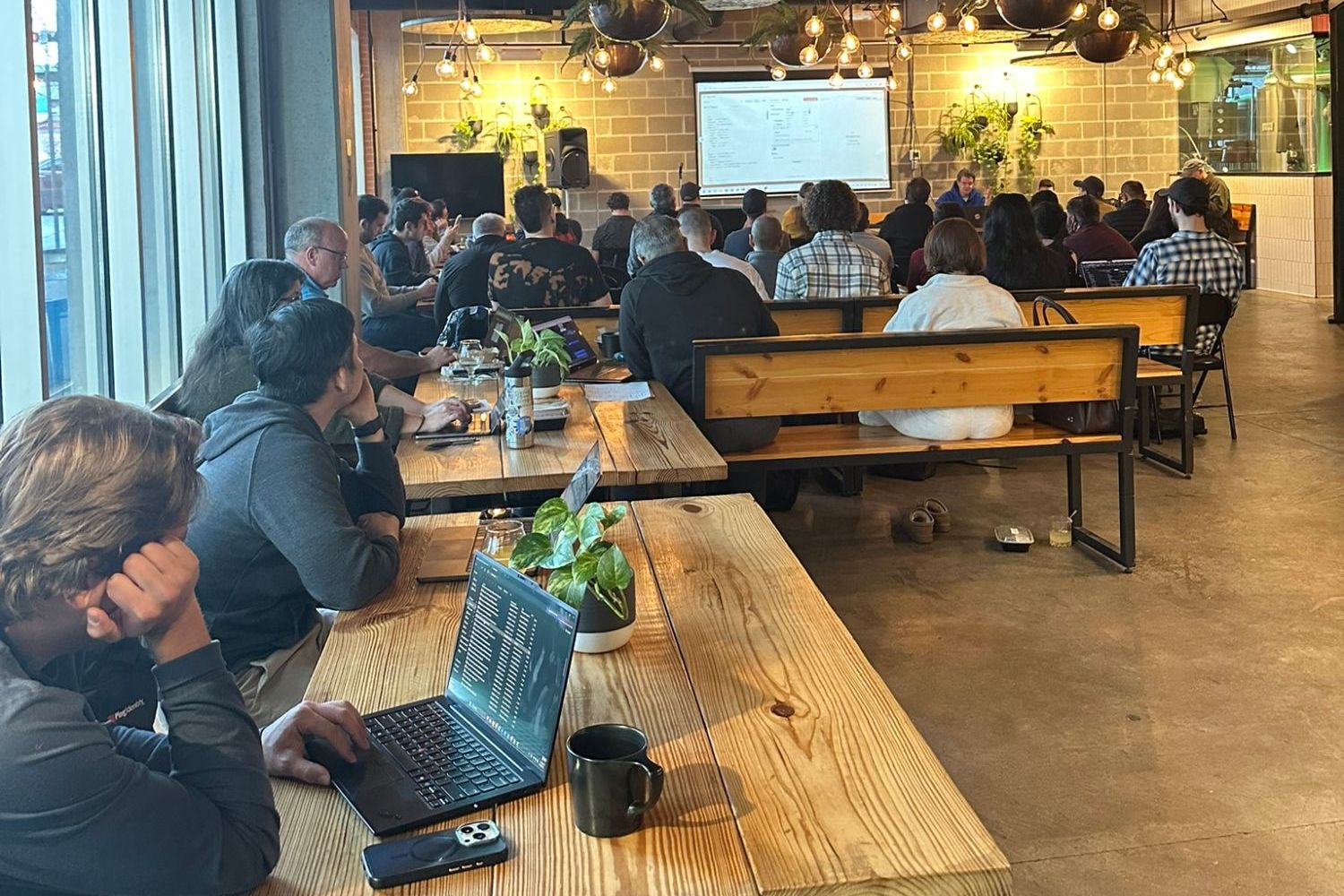
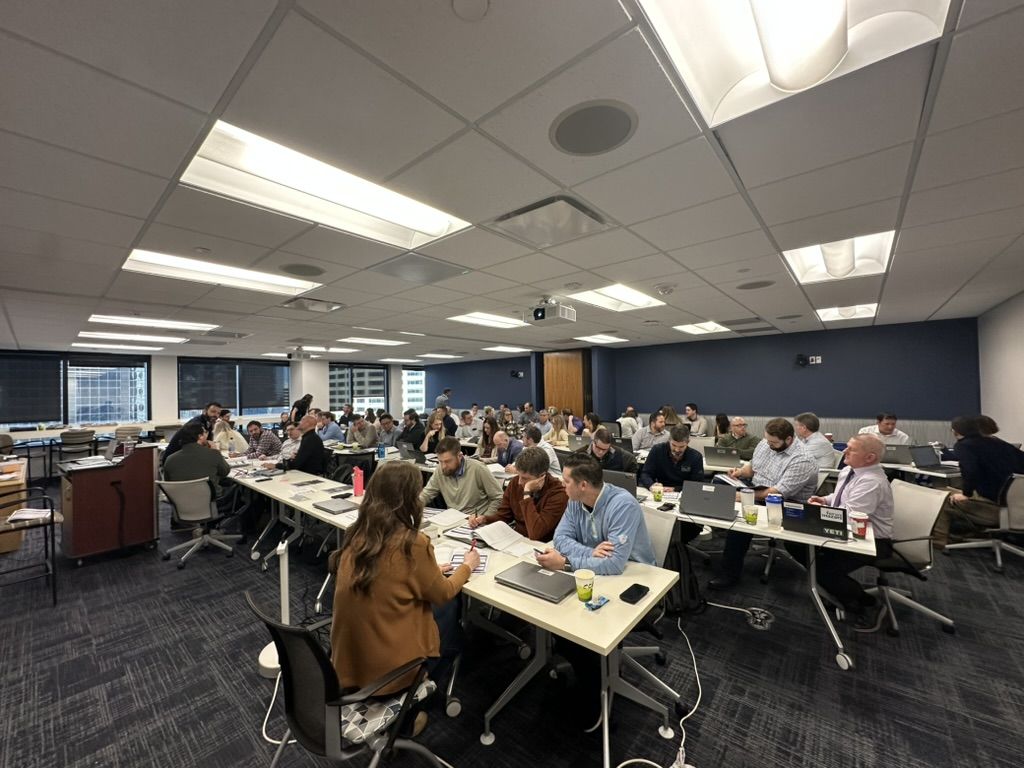
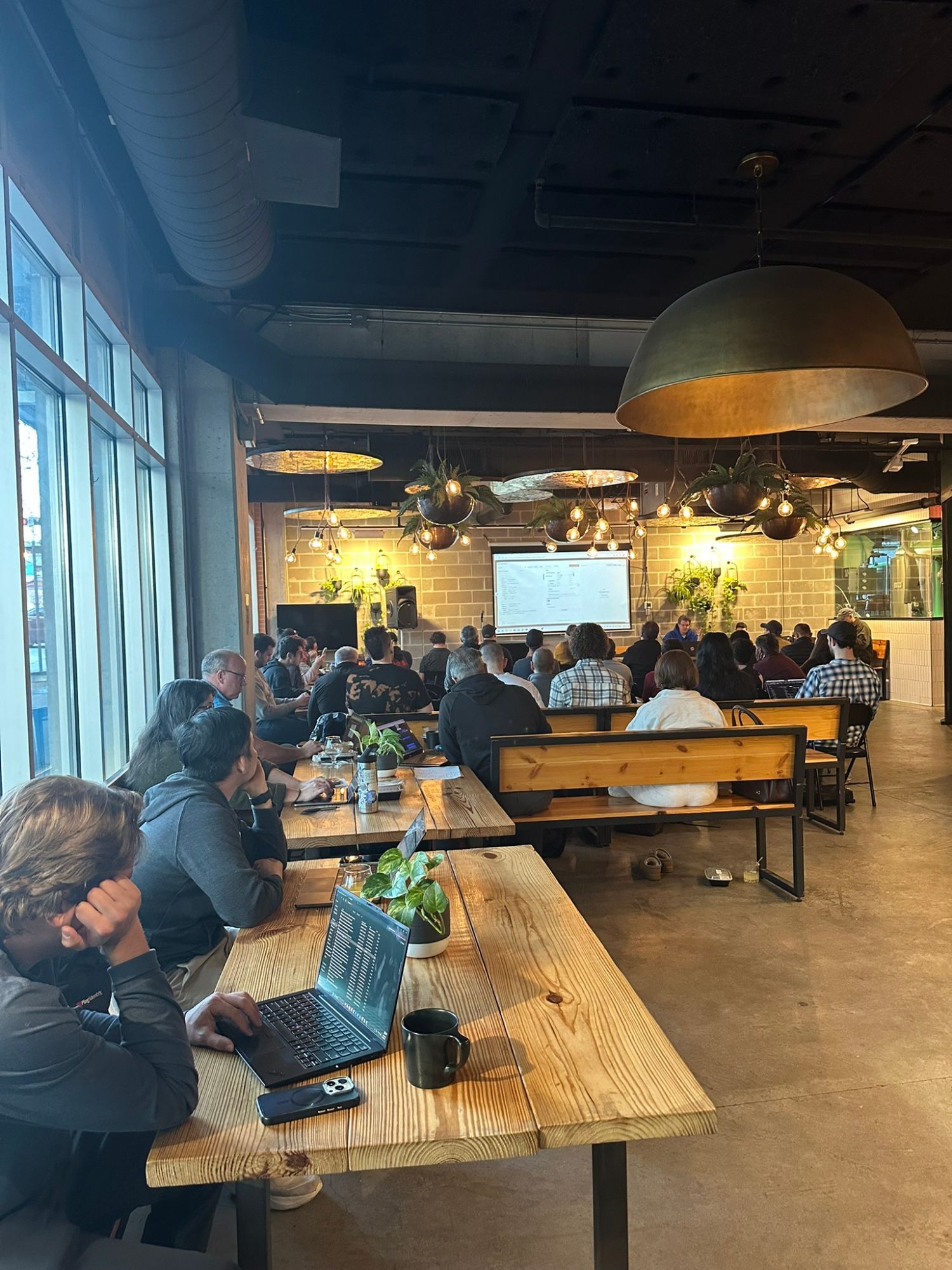
Every agent starts in a working session with the team that owns the workflow, laptops open, on their own documents. That is why they get used.
Built and adopted at Cresa
Cresa had already rolled out ChatGPT Enterprise across one of its highest performing offices. We baselined the growth and finance teams with SINA, taught sessions built on Cresa's real deal cycles, and built the RFP, proposal analysis, and prospect briefing agents inside the tools Cresa already licenses. The RFP agent is now used in production.
Trusted by teams at




















AI Agents for Commercial Real Estate, answered directly
Updated October 2026
How has Clustr built AI agents for commercial real estate?
For Cresa, Clustr built three AI agents in ChatGPT Enterprise: one drafts RFP responses in Cresa's house format and is now used in production, one extracts lease economics from landlord proposals in minutes, and one researches prospects and briefs brokers before meetings. We built each with the people who use it and trained the team to run it.
What can an AI agent do for a commercial real estate broker?
The most useful broker agents handle preparation work: drafting RFP responses in the firm's format, researching a prospect and writing a pre-meeting briefing, and summarizing landlord proposals into comparable lease economics. The broker keeps the relationship and the judgment. The agent does the first draft.
Can AI read landlord proposals and extract lease terms?
Yes, with a person checking the output. The agent we built for Cresa pulls lease economics out of landlord proposals in minutes, work that took analysts hours per deal by hand. Analysts still review every figure, because a wrong rent or concession number matters too much to skip the check.
Can you build commercial real estate AI agents on Claude?
Yes. For a commercial real estate client in the DC area, we built a pre-meeting brief agent in n8n powered by Anthropic's Claude model. Every morning it reads the broker's calendar, researches each attendee and the building their company occupies, has a second model verify the research, and emails the broker a brief. We demoed it in our Claude for RevOps webinar.
Do we need to buy new software to get AI agents?
Usually not. If your firm already licenses ChatGPT Enterprise, Claude, Microsoft Copilot, or Google Gemini, agents can be configured inside that workspace. That is how we built Cresa's agents, and it means no new vendor, no new data path, and nothing extra for IT to govern.
How do you keep deal and client data safe when using AI agents?
Agents run only in the firm's governed enterprise AI workspace, with connectors IT approves, and everyone is trained on what data belongs where. Getting brokers off free personal AI accounts is one of the first wins of the program.
How long does it take to build an AI agent for a CRE team?
A configured agent for one workflow typically takes weeks, not months, because it is built in a tool the firm already licenses. Most of the time goes into mapping the workflow with the team and training people to use it on live deals.
Who owns and maintains the agents after Clustr leaves?
Your team. A small group of champions is trained to run, improve, and extend each agent, and they carry it to the next team or office. We design the program so the firm is not dependent on us.
We use cookies
We use cookies and Google Analytics to understand how visitors use our site. Privacy Policy