Generative AI for technology companies beyond the engineering team
Technology companies usually adopt generative AI fastest in engineering. Product, go-to-market, support and operations often lag behind, and AI-written code can reach production faster than review keeps up. Clustr trains every function to use AI on its real work, in the tools your company already approves, and measures the change.
How can technology companies use generative AI?
Technology companies use generative AI across every function: engineers use coding assistants to write, test and review code; product teams draft specs and summarize customer feedback; sales and customer success research accounts and prepare for meetings; support teams draft replies from the knowledge base. People review the output and own every decision.
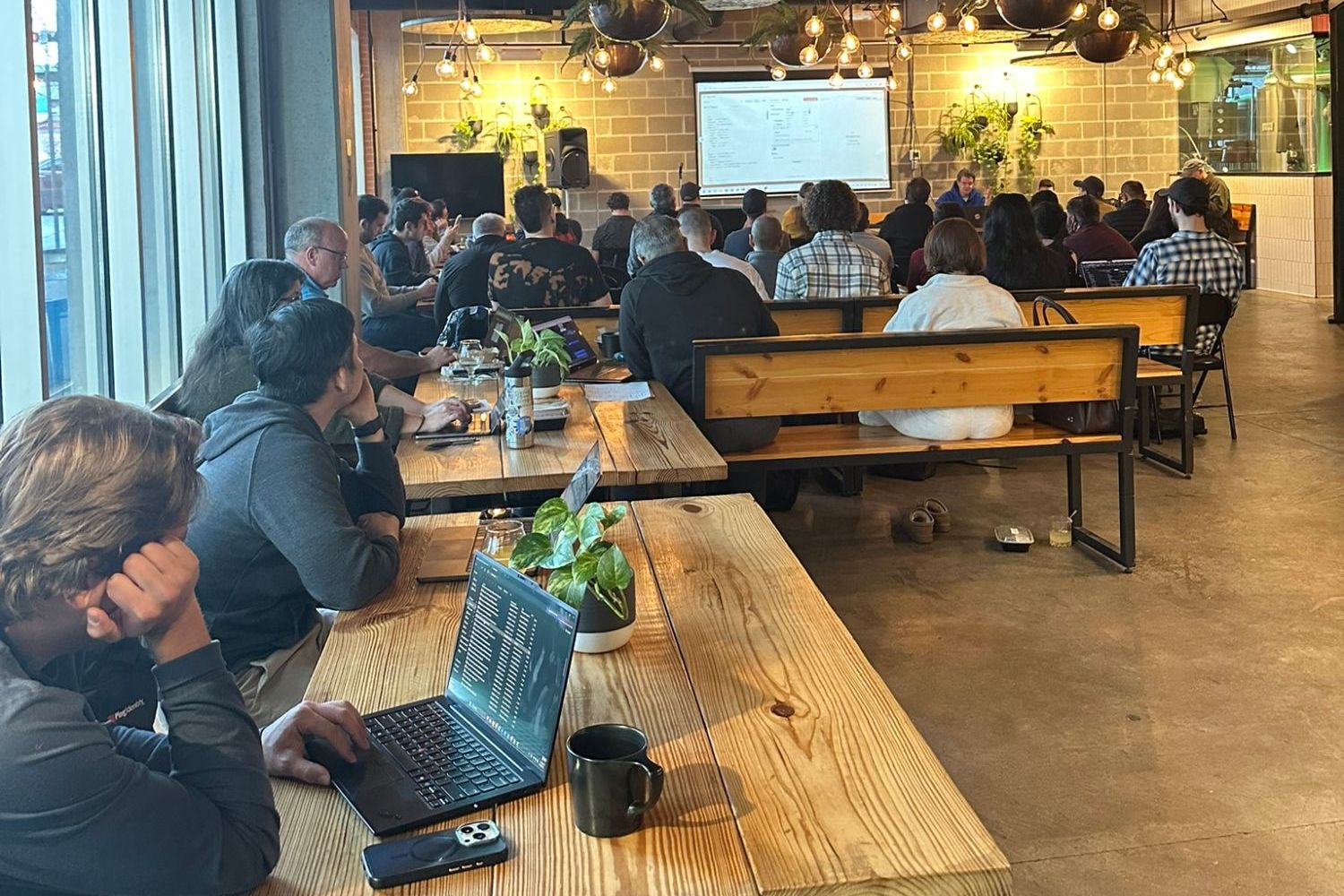
Clustr Innovations, a human-first AI enablement consultancy, trains technology teams to do this on their own code, tickets, accounts and documents. Programs start with a SINA baseline of AI fluency, run role-based sessions for each function, build a small set of workflows with the people who own them, and re-measure at the end.
The gap is rarely engineering. Coding assistants spread on their own. The harder work is bringing product, go-to-market and support to the same level, and putting review and governance around the code that AI agents help write.
What does a generative AI workflow look like at a technology company?
Two workflows of the kind a technology program builds first: one in support, one in engineering. Both keep a person as the reviewer and work from systems the team already uses, so nothing ships without a human decision.
- TriggerNew ticket
A customer question or bug report comes in.
- InputTicket + knowledge base
Account history, docs and past resolutions.
- AI stepDraft the reply
Answer with links to the sources it used.
- Human reviewSupport engineer review
Checks accuracy and tone, edits as needed.
- OutputReply + doc gap flag
Sent to the customer; missing docs logged.
- TriggerPull request opened
Code written with help from a coding assistant.
- InputDiff + team standards
The change, the tests and the review checklist.
- AI stepSummarize and flag risk
Plain-language summary, risky areas, draft tests.
- Human reviewEngineer reviews
A person approves or sends it back.
- OutputMerged with a record
Who reviewed, what changed and why.
Why is generative AI adoption uneven at technology companies?
Generative AI adoption is uneven at technology companies because engineers pick up coding assistants on their own while other functions wait for guidance, and the speed of AI-written code outpaces the review, testing and governance around it.
Engineering ahead, everyone else behind
Developers adopt coding assistants quickly. Product, sales, customer success and support often have licenses but no role-specific training, so usage stays shallow.
Code faster than review
AI agents help write more code than teams can review. Without clear standards for testing and approval, quality and security risk move into production.
Too many tools, no shared rules
Teams try several AI tools at once. Without agreed rules on data, approved tools and review, leaders cannot see what is being used or where.
No measure of change
Seat counts and log-ins do not show whether people work differently. Leaders need a baseline and a re-measure by function.
What does a generative AI program for a technology company include?
A technology program follows Clustr's standard sequence, adapted to engineering and business roles: measure where people start, set safe-use rules, train each function on its own work, build a few workflows with owners, and measure again.
Baseline
A SINA assessment measures AI fluency by person and function, including teams outside engineering.
Safe-use rules
Agree which tools are approved, what code and customer data may go into them, and how AI-assisted code is reviewed, with engineering, security and IT.
Role-based sessions
Hands-on sessions for engineering, product, sales, customer success and support, each on that team's own work.
Workflow builds
Build a small number of workflows, such as support reply drafting or account research, with the people who own them.
Champions and re-measure
Name Champions in each function, then re-assess with SINA and capstone presentations to show how far people moved.
On the AI tools your company already approves
We teach on Claude, ChatGPT, Microsoft Copilot or Gemini, plus coding assistants such as Claude Code, whichever your company has licensed and approved. Training uses your own work in approved tools only.

Programs built on real work, measured with SINA
For a 150-person data consulting firm, Clustr ran company-wide AI enablement that trained 150+ employees on ChatGPT and Copilot and helped stand up an AI Center of Excellence. Sales professionals from RingCentral and Aiven joined our six-week AI-Native GTM Cohort as individuals, building workflows on their own accounts; neither was a company-wide program. For engineering teams, Commander adds DevOps practices for AI-built code.
Trusted by teams at


















Generative AI for Technology Companies, answered directly
Updated October 2026
What are the best generative AI use cases for technology companies?
Common starting points are coding assistance and AI-assisted code review in engineering, spec drafting and feedback summaries in product, account research and meeting prep in sales, and reply drafting from the knowledge base in support. Clustr Innovations builds these on each team's real work, with a person reviewing every output.
Our engineers already use coding assistants. Why train the rest of the company?
Because engineering is usually not the bottleneck. Product, go-to-market and support teams often have licenses but no role-specific practice, so their usage stays shallow. Clustr Innovations runs role-based sessions for each function on its own work, then measures the change by function with SINA.
How do you keep AI-written code safe and reviewable?
Programs set rules with engineering, security and IT on approved tools, what code may go into them, and how AI-assisted changes are tested and approved. Clustr Innovations teaches review practices alongside coding assistants, and Commander, Clustr's accelerator for AI-built code, adds DevOps practices around it.
Which AI tools do you train technology teams on?
Whichever your company has approved: Claude, ChatGPT, Microsoft Copilot or Gemini for business teams, and coding assistants such as Claude Code for engineers. Clustr Innovations is platform-neutral, so training follows the tool decisions your company has already made.
How do you measure whether generative AI training worked?
With SINA, Clustr's AI literacy platform. Everyone is assessed before training and again at the end on the same five dimensions, scored 0 to 100. Each person also builds and presents one workflow on their own work in a capstone, so leaders see real usage, not just log-ins.
We use cookies
We use cookies and Google Analytics to understand how visitors use our site. Privacy Policy